
 Google Calendar
  Outlook Calendar
  Google Meet
  Microsoft Teams
  Zoom Meetings
 Journalist Calendar Management: Complete Guide for 2025
Master journalist calendar management across interview scheduling, editorial deadlines, and press events with one unified scheduling system.
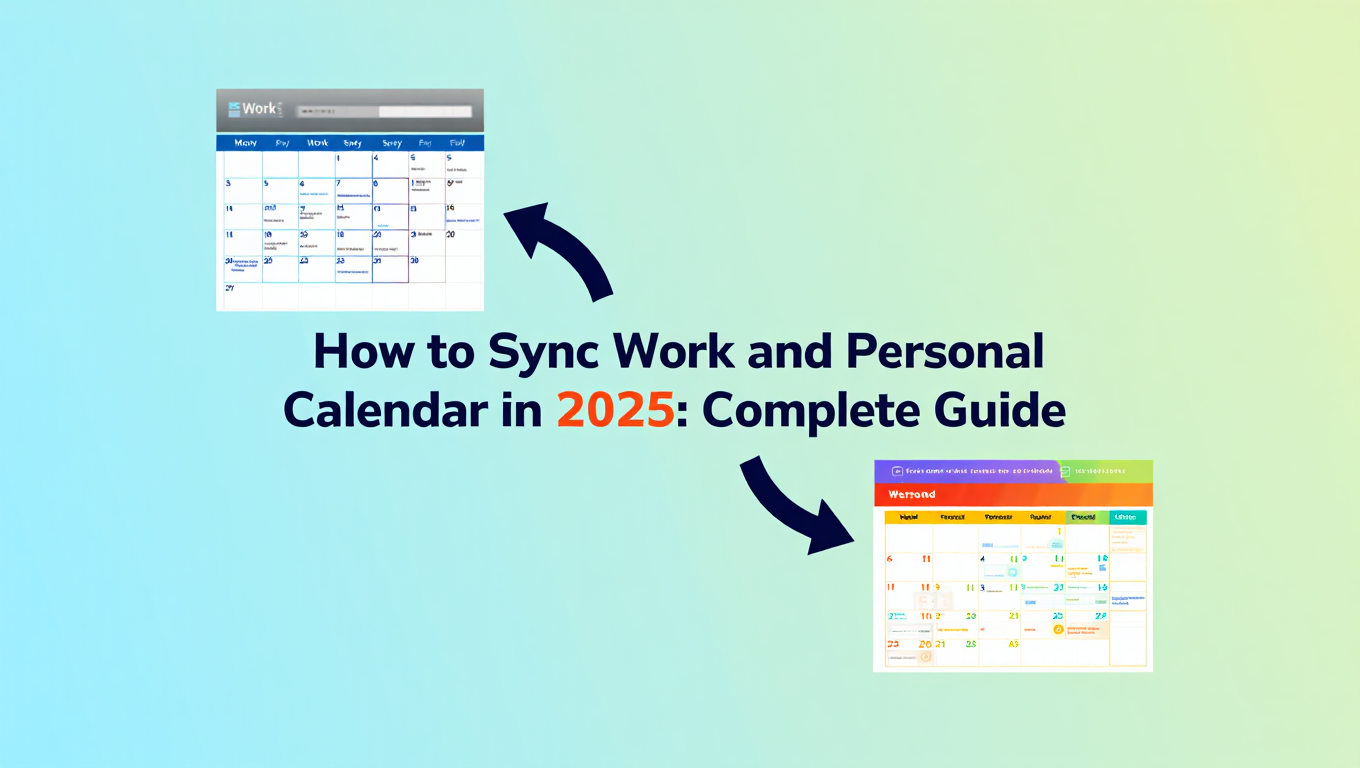
It's 3 PM on a Thursday and your editor just moved the feature story deadline from next Monday to tomorrow at noon. You've still got two interview calls to complete for the piece, but one source is only available tonight and the other hasn't responded to your scheduling email. Meanwhile, there's a press conference at City Hall at 4 PM that might give you the quote you need for a different story. Your personal calendar shows a doctor's appointment at 5 that you've already rescheduled twice. And the freelance assignment you took for another publication has its own deadline approaching this weekend.
Journalists live in a world of compressed timelines, unpredictable sources, and overlapping editorial obligations. Whether you're a beat reporter at a newsroom, a freelancer juggling multiple publications, or an investigative journalist coordinating with editors and sources across different organizations, you're probably managing between 4 and 8 calendars at any given time. The pace of news doesn't wait for you to sort out your scheduling conflicts.
- Why journalists face scheduling demands that standard calendar tools can't handle
- How fragmented calendars lead to missed interviews and blown deadlines
- Practical steps to unify editorial, interview, and personal calendars
- How to stay responsive to breaking news without losing control of your schedule
- A calendar strategy built for the unpredictable rhythm of journalism
Why Journalist Calendar Management Is Uniquely Challenging
Journalism operates on two competing timelines simultaneously. There's the planned editorial calendar with its story assignments, research phases, interview windows, and publication deadlines. Then there's the breaking news cycle that can blow up those plans in an instant. A reporter who can't shift gears quickly misses the story. A reporter who only chases breaking news never finishes the deep work that wins awards and builds a career.
What makes journalist scheduling particularly complex is the dependency on other people's availability. You can't write a story without sources, and sources schedule on their terms. A CEO might only have 15 minutes between meetings. A whistleblower might only be comfortable talking at a specific time and place. A government official's spokesperson might take three days to confirm a 20-minute window. Your calendar needs to flex around all of these external constraints while still protecting time for writing, editing, and filing.
Freelance journalists face an additional layer of complexity. When you write for multiple publications, each outlet has its own editorial calendar, its own deadline structure, its own editors, and its own communication systems. Managing stories for three or four publications means maintaining separate scheduling relationships with each one, often across different calendar platforms.
Common Calendar Problems Journalists Face
Interview Scheduling With Unresponsive Sources
The foundation of journalism is talking to people, and people are notoriously difficult to schedule. You might send five interview requests in a day and hear back from one immediately, two the following week, and never from the other two. When responses come in at random intervals, they land on top of whatever you've already scheduled.
A source finally confirms for 2 PM Tuesday. But Tuesday at 2 PM is when your editor scheduled the story planning meeting. Your phone interview with the analyst is at 2:30 on a calendar you forgot to check. Without a single unified view of all your calendars, these overlaps hide until you're trying to be in two conversations at once.
Deadline Stacking Across Publications
If you freelance for multiple outlets, deadlines don't coordinate with each other. Publication A wants 1,200 words by Friday morning. Publication B needs the investigative draft by Saturday. Publication C has a blog post due Thursday night. When each publication's calendar lives in its own silo, you can't see the full picture of what's due when. You end up pulling all-nighters not because the workload is impossible, but because you didn't spot the deadline cluster early enough to plan around it.
Even staff journalists at a single publication deal with deadline stacking. The daily story for tomorrow, the weekly feature due Friday, and the long-form piece your editor keeps asking about all compete for the same writing hours. When research and interview appointments aren't visible alongside deadlines, time management becomes pure guesswork.
Press Event Conflicts
Press conferences, product launches, industry events, and media briefings are time-bound opportunities. If you're not there, someone else gets the story. But press events often overlap with each other and with your existing interview and deadline commitments.
Need better calendar management? CalendHub unifies all your calendars with smart scheduling and video conferencing.
A tech company announces a press event for Thursday at 11 AM. The city council press conference is the same day at 1 PM. You have an interview call at noon that took two weeks to schedule. Without a calendar system that prevents these conflicts by showing all your commitments together, you're forced into impossible choices that could have been avoided with better visibility.
Research and Writing Time Erosion
Interviewing is only half the job. The other half is turning raw notes and recordings into polished prose. But writing time is the most flexible item on a journalist's calendar, which means it's the first thing to disappear when other obligations crowd in.
When your calendar is fragmented across multiple systems, it's easy to schedule back-to-back interviews and events without leaving any blocks for actual writing. By the time deadline day arrives, you've got plenty of material but no focused hours to turn it into a story. The writing gets crammed into late nights and early mornings, which isn't sustainable and doesn't produce your best work.
How to Solve Journalist Calendar Chaos
Step 1. Inventory Every Calendar Source
Map out every scheduling system that affects your journalism work. This includes your personal calendar, your newsroom's editorial calendar, any freelance publication calendars, your interview scheduling system, press event notifications, and any shared calendars with editors or co-reporters. Most journalists find they're working across 4-8 separate scheduling sources.
Step 2. Unify Everything Into One Real-Time View
The most impactful change is consolidating all those calendars into a single dashboard. CalendHub.com lets you connect unlimited calendars from Google, Outlook, and other platforms so your interviews, deadlines, press events, editorial meetings, and personal commitments all appear in one view. When an editor adds a meeting to the newsroom calendar, it shows up alongside your source interview and freelance deadlines automatically.
Step 3. Protect Dedicated Writing Blocks
Schedule recurring writing blocks on your unified calendar and treat them as non-negotiable appointments. When these blocks are visible across all your connected calendars, editors and sources can see that the time is unavailable. A good rhythm for most journalists is two 2-hour writing blocks per day, one in the morning for deep work and one in the afternoon for revision and filing.
Step 4. Create an Interview Request Workflow
Instead of scheduling interviews ad hoc through email threads, build a standard process. Offer sources two or three available windows rather than asking when they're free. When your unified calendar shows real-time availability across all your commitments, you can confidently offer times that won't create conflicts. This also speeds up scheduling with distributed sources across different time zones.
Step 5. Set Deadline Alerts at Multiple Intervals
Configure alerts that fire at 72 hours, 24 hours, and 4 hours before each deadline. The 72-hour alert tells you to wrap up interviews and start writing. The 24-hour alert is your "final draft or else" signal. The 4-hour alert is the last call for edits and submission. This tiered alert system prevents the frantic last-minute scramble that produces sloppy work.
Journalists who consolidate their calendars into a unified system report cutting scheduling-related stress by over 50% and producing higher-quality work. Better visibility means fewer missed interviews, better-protected writing time, and stories filed before the deadline rather than just at it.
Why CalendHub Works for Journalists
Journalism requires a calendar tool that handles unpredictability gracefully and doesn't impose artificial limits on how many scheduling sources you can manage. CalendHub.com offers unlimited calendar connections, which means your newsroom calendar, freelance publication calendars, personal schedule, and interview booking system all live in one place.
Real-time sync is critical for journalists because plans change fast. When a source reschedules their interview, that change propagates across every connected calendar immediately. When your editor moves a meeting, you see the impact on your interview schedule and writing blocks without manual cross-referencing.
For freelance journalists working across multiple editorial teams, CalendHub.com provides the unified visibility that prevents deadline collisions between publications. You can see everything from every outlet in one view, spot conflicts early, and manage your workload strategically rather than reactively.
The platform works on mobile just as well as desktop, which matters for journalists who are constantly in the field, at events, or moving between locations. Checking your consolidated schedule from a phone at a press event is just as seamless as viewing it on your laptop at home.
File Better Stories by Managing Your Time Better
The best journalism comes from reporters who have time to think, research deeply, and craft their words carefully. None of that happens when you're spending hours every week wrestling with calendar conflicts between interviews, deadlines, events, and editorial meetings.
Audit your calendars. Unify them. Protect your writing time. Build a workflow for interview scheduling that doesn't depend on email tag. Set up tiered deadline alerts that keep you ahead of the clock.
The stories your readers deserve and the career you're building both require more than talent and hustle. They require a scheduling system that lets you focus on the work that matters instead of the logistics that don't. Get your calendar right, and the stories will follow.
Ready to Simplify Your Schedule?
Join thousands of professionals who have unified their calendars and reclaimed their time with CalendHub's intelligent scheduling platform.
Related Articles

Accountant Calendar Management: Complete Guide for 2025
Master accountant calendar management to survive tax season, track client deadlines, and balance multiple engagements without burnout.

Agency Owner Calendar Management: Complete Guide for 2025
Juggle client meetings, team standups, biz dev, and project timelines as an agency owner. Your complete calendar management guide.
Business Coach Calendar Management: Complete Guide for 2025
Streamline executive client scheduling, mastermind groups, and speaker coordination. The business coach calendar management guide.