
 Google Calendar
  Outlook Calendar
  Google Meet
  Microsoft Teams
  Zoom Meetings
 Sync Jira with CalendHub: Complete Integration Guide 2025
Connect Jira issue tracking to CalendHub for one-way calendar sync that puts sprint deadlines and issue dates on your schedule.

Jira is the industry standard for agile development teams. Sprint planning, issue tracking, bug management, and release scheduling all happen inside Jira. But while developers and project managers live in Jira during planning sessions, they don't check it every time they look at their daily schedule. That means sprint deadlines and issue due dates can sneak up when they're buried in a backlog rather than visible on a calendar.
Syncing Jira with CalendHub.com brings your most important development dates and sprint milestones onto your calendar. This one-way read integration pulls issue due dates, sprint boundaries, and release dates from Jira and creates corresponding events in your connected calendars. When your next sprint demo shows up between your standup and your lunch block, you're actually prepared for it.
- How to connect Jira Cloud or Server to CalendHub
- Mapping Jira issue dates and sprint timelines to calendar events
- Filtering which issues and projects sync to your calendar
- Troubleshooting Jira-specific sync challenges
- Advanced tips for engineering teams and agile project managers
Why Sync Jira with Your Calendar?
Development teams manage time in two parallel systems. Jira manages the work timeline. Calendars manage the meeting and personal timeline. When these systems don't communicate, conflicts happen.
See sprint deadlines on your actual schedule. Sprint end dates matter. When the sprint review is Thursday and you've got three story points left, seeing that deadline on your calendar alongside your other commitments helps you plan your days leading up to it. Without calendar visibility, sprints end "suddenly" even though the date was always in Jira.
Block time for development work. Developers are famous for having meeting-packed days with no time left for actual coding. When Jira due dates appear on the calendar through CalendHub, it becomes obvious when you need to decline meetings and protect coding time. For more on managing busy calendars, check out our multiple calendars sync guide.
Help non-technical stakeholders understand timelines. Product managers, executives, and clients often check calendars rather than Jira. When release dates and milestone issues sync to a shared calendar, stakeholders can see development timelines without needing Jira access or training.
How to Set Up Jira Integration with CalendHub
Jira connects to CalendHub through either Jira Cloud (Atlassian's hosted version) or Jira Server/Data Center. The setup differs slightly based on your deployment, but the core process is the same.
Step 1. Log into CalendHub. Visit CalendHub.com and sign in. Have at least one calendar platform connected.
Step 2. Open the Integrations section. Navigate to Integrations from your CalendHub dashboard.
Step 3. Select Jira. Click on Jira in the integrations list. CalendHub will ask whether you're using Jira Cloud or Jira Server.
Step 4. Authorize the connection. For Jira Cloud, CalendHub initiates an Atlassian OAuth flow. Sign into your Atlassian account and approve CalendHub's access to your Jira site. For Jira Server, you'll need to provide your server URL and generate an API token or application link.
Step 5. Select your Jira project or projects. CalendHub will display your accessible Jira projects. Choose which projects' dates should appear on your calendar. You can select multiple projects if you work across teams.
Step 6. Configure which dates to sync. Jira issues can have multiple date fields. Common options include Due Date, Sprint Start/End dates, Fix Version release dates, and custom date fields. Select which date types should create calendar events.
Step 7. Set up event formatting. Configure how Jira issues appear as calendar events. The issue summary typically becomes the event title. You can prepend the issue key (like "PROJ-123") for easy reference. The event description can include the issue type, priority, assignee, and a link back to the Jira issue.
Need better calendar management? CalendHub unifies all your calendars with smart scheduling and video conferencing.
Step 8. Choose your destination calendar. Pick a calendar for Jira events. A dedicated "Development" or "Sprint" calendar keeps engineering dates separate from your meeting schedule. This is especially useful for non-developers who want to toggle development dates on and off.
Step 9. Test the integration. Check that issues with due dates from your selected Jira project appear as calendar events. Modify a due date in Jira and verify the calendar event updates. If everything matches, you're connected.
Best Practices for Jira Calendar Sync
Jira projects can have thousands of issues. Thoughtful filtering is essential.
Filter by assignee. Unless you're a project manager who needs to see everything, sync only issues assigned to you. This keeps your calendar focused on your responsibilities rather than the entire team's workload.
Sync sprint boundaries as recurring events. Sprint start and end dates are some of the most valuable items to have on your calendar. Configure CalendHub to create events for sprint boundaries. This gives the whole team a visual countdown to sprint reviews and retrospectives.
Include issue keys in event titles. Adding the Jira issue key (like "DEV-456") to the calendar event title makes it easy to find the issue in Jira when you need more context. A title like "DEV-456 Implement User Auth" is immediately searchable. Read our bidirectional sync guide for more tips on structuring cross-platform data.
Separate epics from stories. Epics represent large bodies of work with broader timelines. Stories and tasks are granular. Consider syncing epics to one calendar and individual stories to another, or only syncing epics to reduce calendar noise.
Jira sync with CalendHub is one-way. Dates flow from Jira to your calendar, but editing calendar events will not modify Jira issues. Always update due dates, sprint assignments, and release dates directly in Jira to maintain data integrity across your development workflow.
Common Issues and Troubleshooting
Jira's complex project structures can introduce sync nuances worth understanding.
Issues not appearing on calendar. The most common reason is a missing Due Date field. Jira issues without a due date can't create calendar events. Also check that the issue is in a project you've selected for sync and that your CalendHub filters aren't excluding it based on status or type.
Sprint dates not syncing. Sprint dates are stored differently from issue due dates in Jira's data model. Make sure you've enabled sprint boundary sync in CalendHub's Jira settings. Some Jira configurations require the Jira Software module (not just Jira Core) for sprint data to be accessible via API.
Custom fields not available for mapping. If your team uses custom date fields in Jira, they might not appear automatically in CalendHub's mapping interface. You may need to manually specify the custom field ID from Jira's admin settings. Atlassian's API documentation lists how to find custom field IDs.
Timezone differences between Jira and calendar. Jira stores dates based on the user's timezone setting in their Atlassian profile. If this differs from your CalendHub timezone, events might appear on the wrong day. Align timezone settings across both platforms.
Too many issues flooding the calendar. Large Jira projects with hundreds of issues can overwhelm a calendar. Apply JQL-style filters in CalendHub, such as only syncing issues with priority "High" or higher, issues in the current sprint, or issues with a due date within the next two weeks. For more sync management strategies, visit our troubleshooting guide.
Advanced Jira Calendar Integration Tips
These techniques help development teams and engineering managers get the most from the integration.
Create a release calendar. Sync Jira Fix Version release dates to a dedicated "Releases" calendar in CalendHub.com. Share this calendar with stakeholders who need to know when features ship but don't need access to individual issues. It becomes a lightweight release communication tool.
Visualize sprint capacity. When sprint items with due dates sync to your calendar alongside your meetings, you can see at a glance how much actual work time you have each sprint day. If Monday is packed with meetings, you know to front-load coding on Tuesday and Wednesday.
Sync across multiple Jira projects. If you contribute to several Jira projects, connect each one to CalendHub and sync to separate calendars. Toggle calendars on and off based on which project you're focusing on each week.
Combine with standup meeting sync. If your team's standup meetings live on Google Calendar or Outlook, syncing those alongside your Jira sprint dates through CalendHub gives you a complete picture. Sprint ceremonies, individual issue deadlines, and team meetings all in one view.
Use for cross-team dependency tracking. When multiple development teams sync their Jira projects through CalendHub, a shared calendar can reveal cross-team dependency dates. If Team A's API release is the same week as Team B's feature launch, the calendar makes that overlap visible instantly.
Jira and CalendHub together give engineering teams the calendar visibility that Jira alone can't provide. Sprint deadlines, issue due dates, and release milestones belong on your calendar alongside everything else competing for your time. Set up the integration at CalendHub.com and make your development timeline as visible as your meeting schedule.
Ready to Simplify Your Schedule?
Join thousands of professionals who have unified their calendars and reclaimed their time with CalendHub's intelligent scheduling platform.
Related Articles
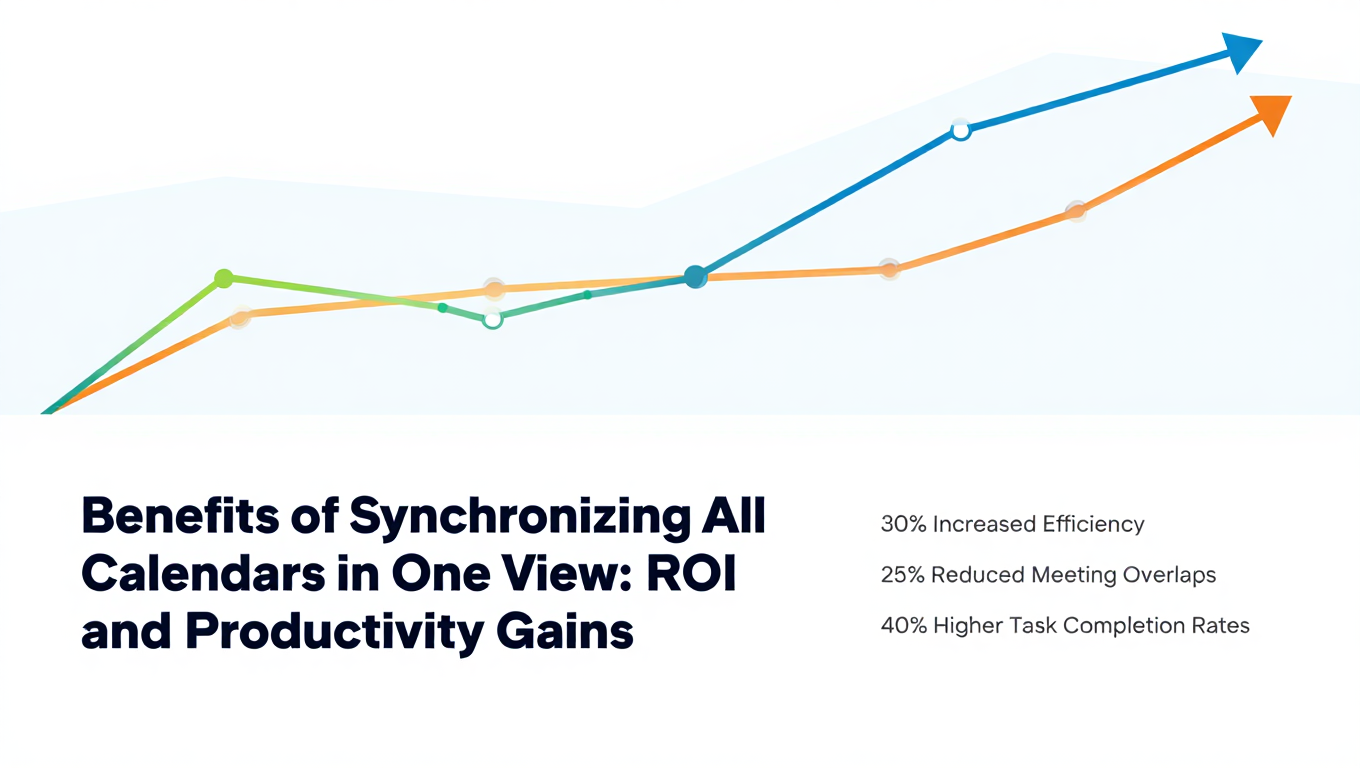
Benefits of Synchronizing All Calendars in One View: ROI and Productivity Gains
Discover the benefits of synchronizing all calendars in one view. See ROI data, productivity gains, reduced double bookings, and real-world business impact in 2025.

Best Bidirectional Calendar Sync Tools: 2025 Comparison Guide
Compare the best bidirectional calendar sync tools in 2025. Discover which platforms offer true two-way synchronization and which only provide one-way sync.

Best Two Way Calendar Sync Software: 2025 Expert Rankings & Comparison
Compare the top two-way calendar sync software tools. We tested 12 platforms for bidirectional sync speed, reliability, and field coverage to find which actually work.