
 Google Calendar
  Outlook Calendar
  Google Meet
  Microsoft Teams
  Zoom Meetings
 Sync Zapier with CalendHub: Complete Integration Guide 2025
Automate calendar workflows by connecting Zapier with CalendHub for powerful triggers, actions, and no-code scheduling.
Zapier connects thousands of apps without writing a single line of code, and when you combine it with your calendar system, the automation possibilities are enormous. From automatically creating calendar events when a new lead fills out a form to sending follow-up emails after a meeting ends, Zapier turns your calendar into a trigger point for entire business workflows.
Connecting Zapier with CalendHub.com takes this even further. Because CalendHub already unifies your calendars across platforms, Zapier can work with your complete schedule rather than being limited to just one calendar service. It's the difference between automating pieces of your workflow and automating all of it.
- How to connect CalendHub to Zapier as both a trigger and action app
- Building Zaps that automate calendar-based workflows
- Using filters and conditional logic for smarter automations
- Troubleshooting common Zapier integration issues
- Advanced multi-step Zap recipes for calendar power users
Why Sync Zapier with Your Calendar?
Calendars are full of data that other tools need. When a meeting is booked, your CRM should know about it. When a deadline event passes, your project management tool should update a task. Manually bridging these systems eats up hours every week.
Automate repetitive scheduling tasks. If you find yourself doing the same thing every time a meeting is booked, Zapier can do it for you. Create a Zap that fires when a new CalendHub event is detected, then have it send a confirmation email, create a CRM contact, or update a spreadsheet.
Connect your calendar to 6,000+ apps. Zapier's ecosystem is massive. By integrating CalendHub with Zapier, your unified calendar becomes connected to everything from Salesforce to Notion to Slack to custom webhooks. The combinations are limited only by what you need. For the foundation of calendar unification, check out our guide on syncing multiple calendars.
React to calendar changes in real time. Zapier's triggers fire when events are created, updated, or deleted in CalendHub. This means your automations respond to schedule changes as they happen, keeping downstream systems always up to date.
How to Set Up Zapier Integration with CalendHub
The integration works bidirectionally. CalendHub can serve as both a trigger (something happens in your calendar) and an action (Zapier creates or modifies a calendar event).
Step 1. Create accounts on both platforms. You'll need an active account on CalendHub.com and a Zapier account. Free tiers exist on both, but some advanced features may require paid plans.
Step 2. Connect at least one calendar to CalendHub. Before Zapier can work with your calendar data, CalendHub needs calendars connected. Add your Google Calendar, Outlook, Apple Calendar, or any other supported platform through CalendHub's Integrations page.
Step 3. Open Zapier and start a new Zap. Log into Zapier and click "Create Zap" or "Make a Zap" to start building a new automation.
Step 4. Search for CalendHub as your trigger app. In the trigger step, search for "CalendHub" in Zapier's app directory. Select it and choose a trigger event. Common triggers include "New Event Created," "Event Updated," and "Event Starting Soon."
Step 5. Authenticate your CalendHub account. Zapier will prompt you to connect your CalendHub account. Follow the OAuth flow to authorize Zapier to access your CalendHub data. This is a one-time authentication step.
Step 6. Configure the trigger details. Specify which CalendHub calendar should trigger the Zap. You can also filter by event type, keyword, or other criteria to narrow down which events activate the automation.
Step 7. Choose your action app and event. Now select what should happen when the trigger fires. This could be creating a row in Google Sheets, sending an email through Gmail, posting a message in Slack, updating a Salesforce record, or thousands of other possibilities.
Need better calendar management? CalendHub unifies all your calendars with smart scheduling and video conferencing.
Step 8. Map the data fields. Zapier will show the data available from CalendHub, including event title, start time, end time, description, location, and attendees. Map these fields to the corresponding fields in your action app.
Step 9. Test and activate the Zap. Run a test to make sure data flows correctly from CalendHub through to your action app. If the test succeeds, turn the Zap on and it will run automatically from now on.
Best Practices for Zapier Calendar Sync
Building good Zaps requires some thoughtful configuration.
Use filters to prevent Zap overload. Not every calendar event should trigger a workflow. Add Zapier's built-in filter step to only process events that match specific criteria, like events with "Client" in the title or events on a specific calendar.
Name your Zaps descriptively. Once you have several calendar automations running, vague names like "CalendHub to Sheets" won't help you debug issues. Use specific names like "New Client Meeting Creates CRM Contact and Sends Prep Email."
Test with real data before going live. Zapier's test feature uses sample data, but it's worth creating a real calendar event in CalendHub and verifying the entire chain works end to end before relying on the automation.
Set up error notifications. Zapier can alert you when a Zap fails. Enable email or Slack notifications for errors so you catch problems before they snowball into missed workflows. Our bidirectional sync guide explains more about maintaining reliable sync systems.
Every time a Zap runs, it uses tasks from your Zapier plan. If you have a busy calendar with dozens of events daily, multi-step Zaps can burn through tasks quickly. Monitor your usage in Zapier's dashboard and consider consolidating Zaps where possible to stay within your plan limits.
Common Issues and Troubleshooting
Zapier automations are powerful but can be finicky. Here are the most common problems and fixes.
Zap not triggering for new events. Check that the Zap is turned on (this sounds obvious, but it's the most common issue). Also verify that the trigger is monitoring the correct CalendHub calendar. If you recently added a new calendar to CalendHub, you may need to update the Zap's trigger configuration.
Duplicate actions firing. If an event is updated and your Zap triggers on both "New Event" and "Updated Event," you'll get duplicate actions. Use Zapier's built-in deduplication or add a filter that checks whether the action has already been performed for that event.
Data fields coming through empty. Make sure the calendar event in CalendHub actually contains the data you're mapping. If the event description is empty, Zapier can't send what doesn't exist. Also check that your CalendHub sync settings preserve full event details.
Authentication token expired. Zapier's connection to CalendHub can expire if not used for an extended period. If your Zaps stop working, go to Zapier's Connected Accounts section and reconnect CalendHub. For more sync debugging tips, see our troubleshooting guide.
Multi-step Zaps failing midway. If a multi-step Zap fails at step three of five, the first two steps have already executed. Use Zapier's Paths feature to add error handling, or build idempotent actions that can be safely rerun without creating duplicates.
Advanced Zapier Calendar Integration Tips
Once you're comfortable with basic Zaps, these advanced techniques unlock serious productivity gains.
Build multi-step meeting preparation workflows. Create a Zap that triggers 30 minutes before a client meeting. It pulls the client's info from your CRM, generates a meeting brief in Google Docs, and posts it to a Slack channel. All automated through CalendHub.com and Zapier working together.
Use Zapier Paths for conditional logic. Different types of meetings might need different workflows. Use Zapier's Paths feature to route events based on criteria. Internal meetings trigger one workflow, client meetings trigger another, and personal events do nothing.
Create events from external triggers. Flip the direction. Use Zapier to create CalendHub events when things happen in other apps. A new deal closing in your CRM could automatically schedule a kickoff meeting. A support ticket marked urgent could block time for immediate response.
Chain CalendHub with multiple action apps. A single trigger can feed into multiple actions. When a new meeting is created in CalendHub, simultaneously update your CRM, send a Slack notification, add a row to your meeting tracker spreadsheet, and create a follow-up task in your project management tool.
Schedule recurring automations based on calendar patterns. Use Zapier's Schedule trigger alongside CalendHub data to run weekly reports. Every Friday at 5 PM, pull the next week's meetings from CalendHub and generate a weekly schedule summary sent to your email.
Zapier and CalendHub together transform your calendar from a passive schedule into an active automation hub. Every event becomes a potential trigger for workflows that save time and reduce manual work. Connect them at CalendHub.com and start building the automations your schedule has been waiting for.
Ready to Simplify Your Schedule?
Join thousands of professionals who have unified their calendars and reclaimed their time with CalendHub's intelligent scheduling platform.
Related Articles
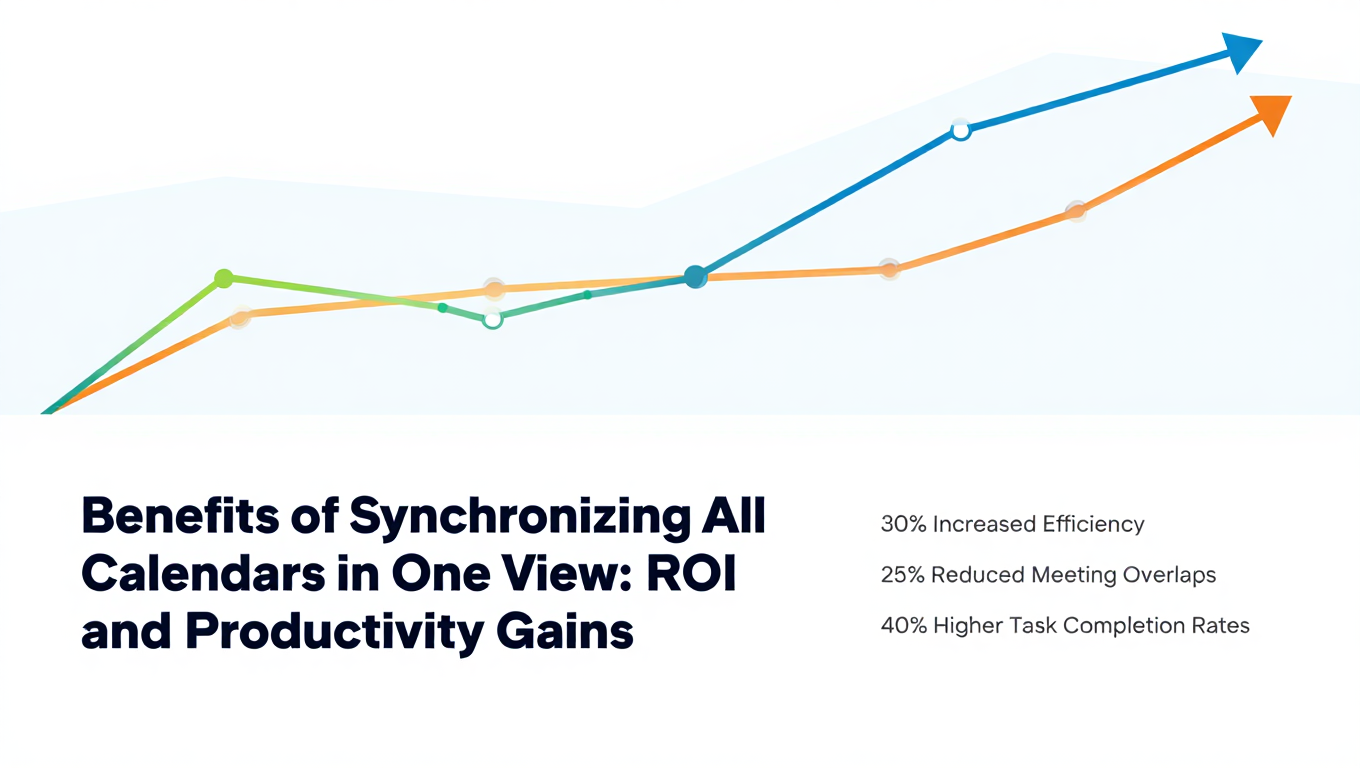
Benefits of Synchronizing All Calendars in One View: ROI and Productivity Gains
Discover the benefits of synchronizing all calendars in one view. See ROI data, productivity gains, reduced double bookings, and real-world business impact in 2025.
Best Bidirectional Calendar Sync Tools: 2025 Comparison Guide
Compare the best bidirectional calendar sync tools in 2025. Discover which platforms offer true two-way synchronization and which only provide one-way sync.

Best Two Way Calendar Sync Software: 2025 Expert Rankings & Comparison
Compare the top two-way calendar sync software tools. We tested 12 platforms for bidirectional sync speed, reliability, and field coverage to find which actually work.